
Germany’s aviation journey is one of the most fascinating stories in aerospace history, shaped by bold experimentation, rapid engineering progress, and designs that often pushed far beyond the limits of their time. From fragile early biplanes to revolutionary jet fighters and experimental helicopters, German engineers consistently explored radical ideas that later influenced global aviation standards in both military and civilian aviation. Their work was often defined by urgency, ambition, and a willingness to challenge established aerodynamic thinking. This list highlights ten aircraft that best represent that inventive spirit and technological ambition, each one marking a distinct step in the evolution of flight.
Key Themes in German Aviation Innovation:
- Engineering Ambition: German designs often prioritized performance and innovation over simplicity
- Military Influence: Many aircraft were developed under wartime pressure and strategic demands
- Technological Firsts: Several aircraft introduced concepts ahead of their global adoption
- Versatility: Many designs were adapted into multiple roles or variants
- Lasting Legacy: Their influence continues in modern aviation design principles
These aircraft are not simply historical machines but defining milestones in how aviation evolved over the decades. Some were battlefield legends that changed air combat dynamics, while others were experimental concepts that never reached full production but still left a lasting technical legacy. Together, they reflect a continuous pursuit of speed, efficiency, firepower, and innovation that shaped the direction of modern flight and continues to influence aerospace engineering today.
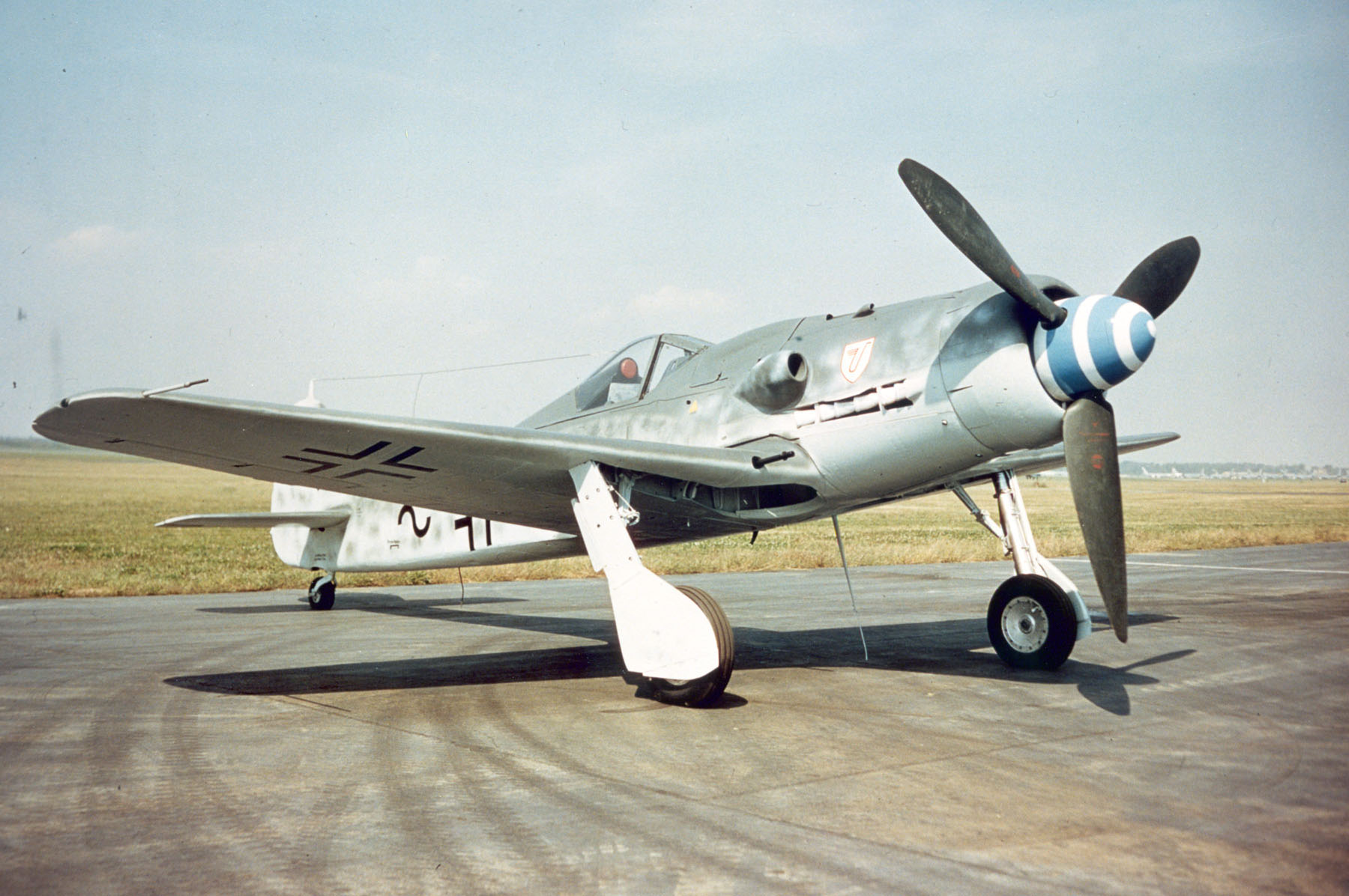
1. Focke-Wulf Fw 187
Fast for its day, the Fw 187 came from a bold idea: combine power and reach without losing speed. Built in the 1930s, this two-engine plane aimed to match lighter fighters while packing more punch. Instead of bulk, Kurt Tank chose sleek lines, shaping every part to slice through air cleanly. Drag dropped thanks to narrow bodywork and smart internal design choices. A handful flew, no more. Yet those who watched it move often called it sharper than most machines that followed years later.
Focke Wulf Fw 187 Key Characteristics:
- Twin-engine high-speed fighter concept
- Extremely aerodynamic fuselage design
- Back then, nothing else could touch it when going full throttle
- Small cabin area because of tight build
- Never entered full production despite strong performance
Speed, agility, and how fast it climbed stood out when pilots tested the plane showing clearly that a swift twin-engine fighter could work well, maybe even better than others in some jobs. Still, politics got in the way. The Luftwaffe changed what mattered most. Resources went elsewhere. Production never happened. Attention turned to different planes altogether. So the Fw 187 stayed just an idea with promise, never built at scale a design ahead of its time, left behind before war began.

2. Dornier Do X
Biggest of its time, the Dornier Do X took flight in 1929, turning heads with sheer scale and ambition. Though built for long trips, it carried dreams larger than any route on maps back then. Twelve engines pushed it forward, while its wide frame cut through skies like a vessel at sea. Not just another plane, it became a symbol of what machines might achieve between wars. Because of how it looked part aircraft, part ship it drew crowds wherever it landed on water. Engineering this giant wasn’t easy; still, it rose above limits thought fixed.
Key Features of Dornier Do X:
- World’s largest flying boat at its introduction
- Designed for long-distance passenger travel
- Multiple engine configuration for heavy lift
- Luxurious interior for its era
- Limited production due to high operating costs
Deep within, the plane felt like a cruise ship lifted into the sky roomy quarters, smooth rides, ocean-liner elegance meeting jet-age dreams. Yet even with power under its wings and history in its frame, it gulped fuel, moved sluggishly, drained budgets. A handful rolled out of factories, none lasting long in service; profit never came close. Still today, it stands not in hangars but in memory as proof of how far vision can stretch before money and mechanics say stop.

3. Junkers Ju 88
One of the most versatile planes in World War II, the Junkers Ju 88 started life as a speedy medium bomber before growing into something far more capable. Built with flexibility in mind, its frame welcomed changes so much so that versions ended up flying missions ranging from daylight strikes to spying behind enemy lines. Some models hunted bombers at night; others carried weapons meant to punch through armored vehicles. Because it could shift roles so easily, German air forces leaned on it heavily from beginning to end. Few machines saw such wide use across so many different kinds of combat.
Key Features of Junkers Ju 88:
- Multi-role operational capability
- Originally designed as a fast bomber
- Adapted for fighter and reconnaissance roles
- Advanced radar-equipped night fighter variants
- One of Germany’s most produced wartime aircraft
From the start, its build allowed changes without hassle, keeping it useful despite fast shifts in battle needs. Built tough, the plane handled rough conditions while staying steady through years of service. Because it could take on fresh gear like better weapons or detection tools it stayed active longer than expected. Production never slowed, pushing out countless units until factories stopped. By war’s end, few German machines had matched its reach or flexibility across missions.

4. Focke-Wulf Fw 190
Powering into combat by 1941, the Focke-Wulf Fw 190 stood out among Germany’s WWII fighter planes. Outclassing numerous enemy models right from its debut, it earned rapid respect in dogfights. Because it prioritized quick turns, high speed, and toughness, pilots found it tough to beat. While many foes struggled, this machine thrived under pressure. Though built small, its round-shaped engine delivered raw strength that lasted through heavy missions.
Focke Wulf Fw 190 Key Features:
- High-performance radial engine fighter
- Excellent speed and climb rate
- Strong structural durability in combat
- Superior roll rate compared to rivals
- Produced in large numbers during WWII
Out of nowhere, this plane pulled ahead when it came to how fast it could go, turn, and dive pilots hated seeing one show up mid-fight. Even after taking hits, it kept flying, thanks to a build that refused to quit. As years passed, new versions popped up, each tweaking the formula just enough to stay useful in almost every mission thrown its way.

5. Messerschmitt Me 262
Speed that’s what set the Messerschmitt Me 262 apart from everything else in the sky. Though powered by jets instead of propellers, it slipped into wartime action almost unnoticed at first. Fighters relying on older engines stood little chance once it appeared overhead. Not because of flash or design flair but raw performance under pressure. By the time enemies reacted, the moment had already shifted. A new kind of flight wasn’t just possible it was here.
Key Features of the Messerschmitt Me 262:
- First operational jet fighter aircraft
- Top speed stood out well beyond what Allied aircraft managed
- Armed with heavy 30mm cannons
- Limited by fuel and production constraints
- Major influence on post-war jet development
Even with clever design, problems piled up jet engines that quit too often, scarce fuel supplies, interruptions in building them. Enemy pilots changed how they fought, zeroing in on weak moments like when it lifted off or touched down. Yet history still lifts this machine high, a spark behind today’s fighter jets across the globe.

6. Albatros D.III
Speed met punch in the Albatros D.III, Germany’s sharp edge through 1917 and into 1918’s thick air battles. Though built like older types, its frame cut drag better than most at the time. Fighters dueled low over France this one held its own thanks to rapid fire and steady climb. Wood shaped its body, yet that simplicity hid fresh thinking about how planes should fight.
Albatros D.III Design Elements:
- Popular World War I fighter plane
- Strong speed and combat capability
- Structural wing weakness in early models
- Effective dogfighting performance
- Influential in later fighter designs
Though built with flaws, especially in how the bottom wing was shaped, it stayed common because it fought well. Fast movement mixed with strong shooting power made pilots trust it when things got tight. Right from early runs, crews noticed how smoothly it turned and reacted under fire. Ideas behind its shape spread beyond borders, touching new models that followed years later. German engineers kept echoes of its layout, yet others overseas did too. Tactics in dogfights shifted faster thanks to what this plane showed could work. Engineering choices once seen as odd grew normal after its time.

7. Messerschmitt-Bölkow-Blohm Bo 105
A twist in sky machines began with the Bo 105, shaking up how rotorcraft was built thanks to a rotor without hinges. Because of this leap, tight spins and sharp moves became possible feats once thought out of reach for anything with spinning blades. Instead of following old blueprints, it carved its own path in flight history.
Bo 105 key features:
- First hingeless rotor system helicopter
- Exceptional agility and maneuverability
- Capable of advanced flight maneuvers
- Used in both civilian and military roles
- Influential in modern helicopter design
One reason it spread fast? Rescue crews trusted it when lives hung in the balance. Yet armies leaned on it too for spotting enemy movement, even striking armored targets. Tough bones, steady performance that earned respect far beyond borders. Later models kept borrowing its ideas, shaping what came next. Even now, engineers look back at it as a turning point few others matched.

8. Siemens-Schuckert D.IV
High up, the Siemens-Schuckert D.IV moved fast, built sharp for grabbing altitude quickly when battles demanded it. Instead of relying on common designs, its rotary power setup used a clever gear trick to cut down twisting forces mid-climb. Stability improved because of this, making tight moves at extreme heights more predictable under stress. Few fighters then could match how swiftly it rose, thanks partly to engineering choices others ignored.
Siemens Schuckert D IV Key Features:
- Faster ww1 fighter plane built for speed and altitude
- Exceptional climb rate and altitude ability
- Advanced rotary engine design
- Improved handling over earlier fighters
- Limited wartime deployment
Even arriving near the war’s end, this aircraft outperformed numerous rivals particularly when climbing quickly mattered most. High-altitude strength gave it an edge in guarding airspace, yet timing held back wider influence despite clear capability.

9. Messerschmitt Bf 109
Pilots flew the Messerschmitt Bf 109 across Europe because its design favored quick assembly, raw pace, along with battlefield strength. While many fighters faded fast, this German plane stayed strong tweaks year after year kept it sharp even as enemy models changed. From early raids to late-war skies, it held ground simply by evolving just enough, each step forward matching what missions demanded.
Features of the Messerschmitt Bf 109:
- Most built German fighter plane
- Excellent speed and agility
- Fought across several battle zones during wartime
- Highly adaptable design
- Record-setting aerial victory count
From carrier decks to desert airfields, it saw action in almost all key WWII battles, racking up an exceptional number of aerial wins. Small size allowed factories to build many quickly; at the same time, room for improvements kept it useful years beyond initial deployment. Because it worked well, evolved steadily, and fought effectively, few warplanes have left a mark quite like this one.

10. Fokker D.VII
Flying steady through thick and thin, the Fokker D.VII earned respect not just for how well it climbed but also because it stayed predictable when pushed hard. After everything fell apart for Germany, those on the winning side made sure to claim these planes outright proof enough of their worth.
Fokker D VII Key Features:
- Well known ww1 fighter plane
- Excellent stability and handling
- Effective at high altitudes
- Innovative cantilever wing design
- Rapid mass production in wartime
Out of nowhere in 1918, it still rose fast through the ranks during the war’s closing stretch. That new kind of wing no struts, just clean lines cut drag sharply while shaping planes that came after. Because it held steady in rough skies and answered controls without fuss, pilots trusted it deeply. Victory followed victory until its name stood tall among the top fighter’s history remembers from those years.
